Introduction
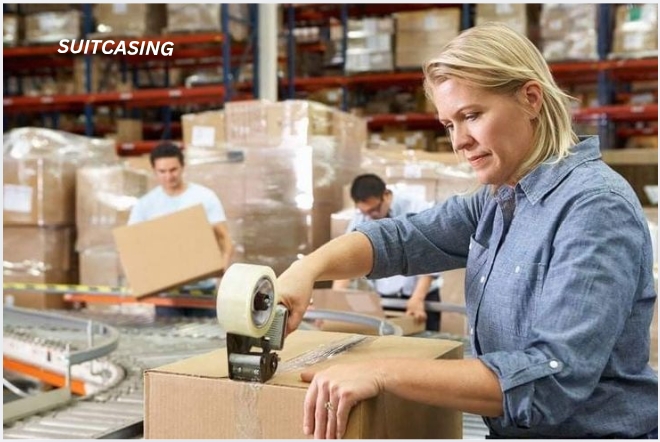
Suitcasing is a retail term used to describe the practice of purchasing large quantities of discounted or limited-edition products from one store and then reselling them elsewhere for profit. The name “suitcasing” comes from the idea that individuals often carry products in large bags or suitcases when transporting them for resale. While it may sound harmless at first, suitcasing has become a controversial topic in the retail world.
This practice is commonly seen with popular items such as beauty products, designer clothing, sneakers, and electronics. When stores offer major discounts or clearance sales, suitcasers take advantage of these price drops, buying in bulk before regular customers have a chance to purchase the products.
Why Suitcasing Happens
Suitcasing occurs primarily because of price differences between markets. For example, a product sold at a discounted rate in one location can be resold at full price in another area or online marketplace. The profit margin motivates individuals to buy as much stock as possible.
In many cases, suitcasing is linked to resale platforms such as eBay and Amazon, where third-party sellers can list products for higher prices. Social media marketplaces and local resale groups also contribute to the rise of this trend.
Another reason for suitcasing is limited-edition releases. When brands launch exclusive products in small quantities, demand quickly exceeds supply. Resellers buy large amounts and later sell them at inflated prices to customers who missed out.
The Impact on Retail Stores
Retailers often struggle with suitcasing because it disrupts normal business operations. Stores typically design promotions and discounts to attract loyal customers, not bulk resellers. When suitcasers clear shelves, regular shoppers may feel frustrated or disappointed.
Many well-known retailers have taken steps to prevent this behavior. For instance, companies like Bath & Body Works and Ulta Beauty sometimes limit the number of items customers can purchase during sales events. These restrictions are meant to ensure fair access for everyone.
Additionally, suitcasing can create inventory imbalances. Stores may run out of promotional stock too quickly, leading to customer complaints and negative reviews. Over time, this can damage a brand’s reputation.
Is Suitcasing Legal?
Suitcasing is generally not illegal, but it often violates store policies. Most retailers include purchase limits in their terms and conditions. If someone repeatedly ignores these rules, stores have the right to refuse service or ban the individual.
Legality also depends on how products are resold. Selling items online is legal in many countries, provided that sellers comply with tax laws and marketplace regulations. However, misrepresenting products, inflating prices unfairly, or violating brand agreements can lead to legal consequences.
Ethical Considerations of Suitcasing
Although suitcasing can be profitable, it raises ethical questions. Critics argue that it deprives regular customers of access to discounted goods. Families shopping for affordable essentials may find empty shelves because someone bought everything for resale.
On the other hand, some people view suitcasing as a form of entrepreneurship. They argue that buying and reselling products is part of free-market economics. As long as it is done within legal boundaries, they see it as a legitimate side business.
The debate continues, with opinions divided between those who prioritize fairness and those who support profit-driven opportunities.
How Retailers Are Responding
To combat suitcasing, many retailers now implement stricter purchase limits, track bulk buying patterns, and monitor suspicious transactions. Some stores use membership programs or digital tracking systems to identify repeat bulk buyers.
Retailers also adjust pricing strategies and restocking schedules to minimize the impact. By spreading out inventory releases or limiting quantities per transaction, they attempt to create a more balanced shopping experience.
Final Thoughts
Suitcasing has become a noticeable trend in modern retail, driven by discounts, limited-edition releases, and online resale opportunities. While it can be a profitable venture for some individuals, it also creates challenges for retailers and everyday shoppers.
Understanding suitcasing helps consumers recognize why certain products sell out quickly and why purchase limits exist. As the retail landscape continues to evolve, businesses will likely develop more strategies to balance fair access with market demand.