Introduction
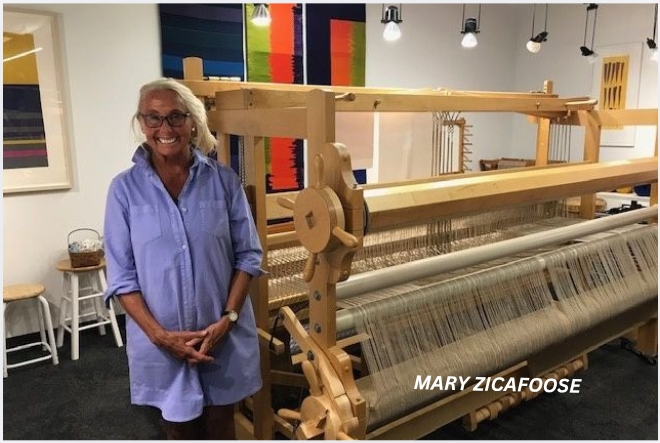
The world of contemporary fiber art has been shaped by many creative minds, but few have made as distinctive an impact as Mary Zicafoose. Known for her bold use of color, spiritual symbolism, and masterful weaving techniques, she has earned recognition as one of the most influential tapestry artists of her generation. Through decades of dedication, experimentation, and innovation, Mary Zicafoose has elevated tapestry from traditional craft to powerful contemporary art.
Early Life and Artistic Foundation
Mary Zicafoose developed a deep connection with art early in her life. Her creative journey was influenced by an appreciation for history, culture, and storytelling. Rather than following conventional artistic paths, she chose to work in fiber—a medium often overlooked in fine art circles at the time. This decision would later define her career and help redefine how tapestry is perceived in modern art.
Her early work reflected both discipline and curiosity. By combining traditional weaving techniques with modern artistic vision, she began to explore how threads and textiles could communicate emotion, spirituality, and human experience.
The Power of Tapestry as Expression
For Mary Zicafoose, tapestry is more than decorative art—it is a language. Her works are often characterized by bold geometric patterns, vibrant colors, and symbolic imagery. These elements are carefully woven together to create visual narratives that explore themes of transformation, spirituality, and cultural connection.
Unlike paintings that rely on brushstrokes, tapestry demands patience and precision. Each thread must be intentionally placed, building layers of color and texture over time. Zicafoose’s mastery of this process allows her to create large-scale works that feel both powerful and deeply personal.
Her art demonstrates that fiber can carry the same emotional weight as canvas or sculpture. Through texture, dimension, and intricate detail, she transforms simple materials into compelling artistic statements.
Influence of Spiritual and Cultural Themes
One of the defining characteristics of Mary Zicafoose’s work is her exploration of spiritual symbolism. Drawing inspiration from diverse traditions and global cultures, she incorporates motifs that reflect universal human experiences. These symbols often suggest growth, renewal, protection, or transformation.
Her tapestries frequently include radiant colors—deep blues, fiery reds, and luminous golds—that evoke both natural elements and spiritual energy. The combination of color and form invites viewers to pause, reflect, and interpret meaning on a personal level.
This thoughtful blending of symbolism and technique has contributed significantly to her reputation in the contemporary art world.
Recognition and Exhibitions
Over the years, Mary Zicafoose has gained widespread recognition for her contributions to tapestry art. Her work has been exhibited in galleries, museums, and art institutions, where audiences can appreciate the scale and complexity of her creations.
Collectors and curators value her ability to bridge traditional craft and modern fine art. She has also shared her expertise through lectures, workshops, and educational programs, helping to inspire the next generation of fiber artists.
Her career stands as proof that dedication to a specialized medium can lead to global recognition and lasting impact.
Innovation in Technique
What sets Mary Zicafoose apart is not only her artistic vision but also her technical innovation. She has expanded traditional weaving practices by experimenting with color blending, scale, and structural design. Her ability to manipulate texture and depth allows her tapestries to feel almost sculptural.
The precision required in her work reflects years of practice and refinement. Each piece can take months to complete, highlighting her commitment to craftsmanship. This attention to detail ensures that every finished tapestry carries a strong visual presence.
Legacy and Lasting Impact
Mary Zicafoose’s legacy extends beyond her own creations. By pushing the boundaries of tapestry, she has helped elevate fiber art within contemporary artistic discourse. Her success challenges outdated perceptions that textile art belongs only in the realm of craft.
Today, her work continues to inspire artists who seek to blend tradition with innovation. Through her bold designs and spiritual storytelling, Mary Zicafoose has proven that tapestry remains a vibrant and evolving art form.
Conclusion
Mary Zicafoose stands as a visionary figure in contemporary tapestry art. Her dedication to weaving, her exploration of symbolic imagery, and her fearless use of color have transformed fiber into a powerful medium of expression. With a career defined by creativity and technical excellence, she remains an enduring influence in the art world.
Her journey reminds us that art is not defined by materials but by vision—and through thread and loom, Mary Zicafoose has woven a remarkable legacy.