Livestock farming has long been the backbone of rural economies across the United States, and Holdenville livestock is no exception. Located in the heart of , this agricultural community plays a significant role in supporting ranchers, farmers, and buyers throughout the region. From cattle and horses to goats and poultry, livestock in Holdenville represents both tradition and modern agricultural progress.
The Importance of Holdenville Livestock to the Local Economy
Holdenville is situated in , a state widely known for its rich ranching culture and vast grazing lands. Livestock production in this region contributes substantially to local income, employment, and trade. Ranchers rely on livestock sales as a primary source of revenue, while feed suppliers, veterinarians, transportation services, and equipment providers benefit from the thriving agricultural network.
Local livestock markets serve as gathering points where buyers and sellers meet regularly. These auctions and trading events not only strengthen the rural economy but also foster community relationships that have existed for generations. The steady demand for beef, dairy, and other animal products ensures that Holdenville livestock remains a sustainable and profitable sector.
Types of Livestock Raised in Holdenville
Cattle Farming
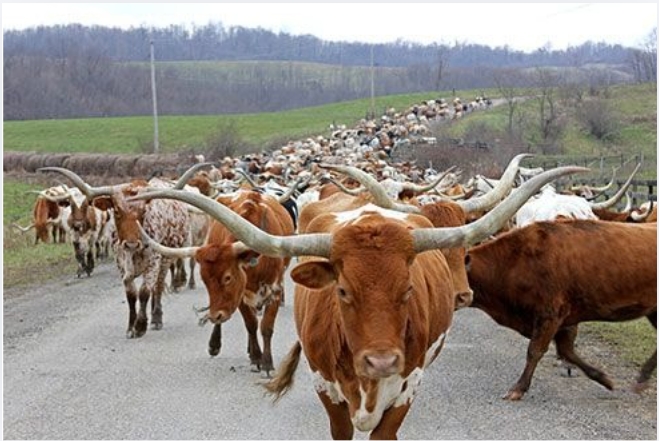
Cattle are the most prominent livestock in Holdenville. Both beef and dairy cattle are raised in the region, with beef production being especially significant. Oklahoma’s open pastures and favorable climate allow cattle to graze naturally for much of the year, reducing feed costs and improving meat quality.
Ranchers focus on maintaining healthy herds through proper nutrition, vaccination programs, and regular veterinary care. Modern breeding techniques have also helped improve productivity and genetic quality.
Horses and Equine Care
Horses are another valuable part of Holdenville livestock. Many residents participate in rodeos, ranch work, and recreational riding. The region’s strong western heritage keeps equine care and training in high demand.
Goats, Sheep, and Poultry
In addition to large animals, smaller livestock such as goats, sheep, and poultry are raised by local farmers. These animals provide diversified income streams and help reduce financial risks. Poultry farming, in particular, has grown steadily due to rising demand for eggs and chicken meat.
Livestock Auctions and Community Events
One of the defining features of Holdenville livestock culture is its active auction system. Livestock auctions give ranchers an organized and transparent platform to sell their animals at competitive prices. Buyers from across Oklahoma and neighboring states attend these sales to purchase quality cattle and other livestock.
These events are more than business transactions—they are social gatherings where neighbors reconnect and exchange farming insights. Young farmers often learn valuable negotiation and animal evaluation skills by attending auctions with experienced ranchers.
Modern Technology in Holdenville Livestock Farming
While livestock farming in Holdenville honors traditional ranching values, modern technology plays an increasingly important role. Farmers now use digital record-keeping systems to track animal health, breeding cycles, and financial performance. GPS technology helps manage grazing land efficiently, and advanced feeding systems ensure optimal nutrition.
Veterinary science has also significantly improved livestock care. Routine vaccinations, disease prevention strategies, and improved biosecurity measures protect herds from potential outbreaks. These advancements help maintain high-quality livestock standards and strengthen the region’s agricultural reputation.
Challenges Facing Holdenville Livestock Producers
Like many agricultural communities, Holdenville livestock producers face several challenges. Weather fluctuations, feed price increases, and market volatility can impact profitability. Drought conditions, in particular, may reduce pasture availability and raise operational costs.
Additionally, changing consumer preferences and regulatory requirements demand constant adaptation. Ranchers must stay informed about sustainable practices, animal welfare standards, and environmental regulations to remain competitive.
Despite these challenges, the resilience of Holdenville’s ranching community continues to drive growth and innovation.
The Future of Holdenville Livestock
The future of Holdenville livestock looks promising as younger generations show renewed interest in agriculture. Educational programs, 4-H clubs, and local agricultural initiatives encourage youth participation in livestock farming.
By combining time-honored ranching traditions with modern agricultural techniques, Holdenville continues to strengthen its position within Oklahoma’s livestock industry. The community’s dedication, hard work, and adaptability ensure that livestock farming will remain a vital part of Holdenville’s identity for years to come.
In conclusion, represents more than just agricultural production—it reflects a way of life deeply rooted in commitment, cooperation, and community pride.