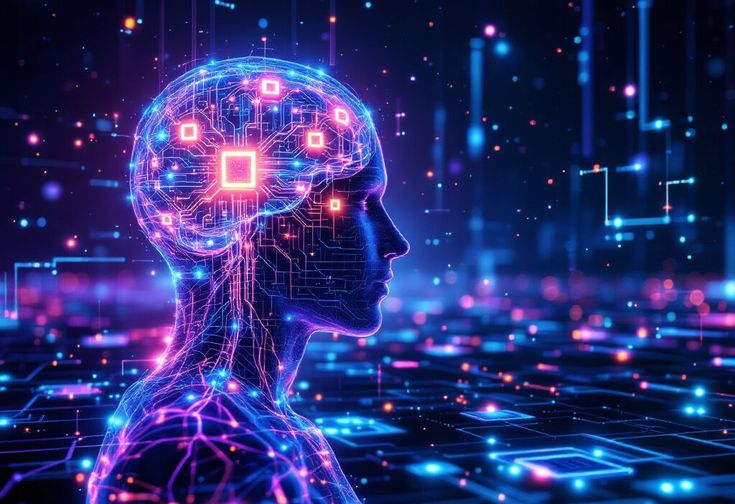
In today’s fast-moving digital world, new technologies and concepts emerge almost daily. One such intriguing term gaining attention is Voidscans. While the name may sound futuristic, Voidscans represents a broader idea connected to digital scanning, data mapping, and deep virtual analysis. It symbolizes innovation in how we interpret hidden layers of information, whether in cybersecurity, digital environments, or advanced imaging systems.
Voidscans can be understood as a next-generation scanning approach that focuses on identifying unseen gaps, vulnerabilities, or “voids” within digital or physical systems. Unlike traditional scanning methods that only detect surface-level information, Voidscans aim to dive deeper, uncovering patterns and insights that are not immediately visible.
What Are Voidscans?
Voidscans refer to advanced scanning techniques designed to analyze empty spaces, missing data, or hidden weaknesses within systems. In technology, a “void” could mean unprotected network areas, corrupted files, data gaps, or blind spots in security architecture. Voidscans help organizations detect these issues before they become serious problems.
This concept is particularly relevant in cybersecurity. Hackers often exploit unnoticed gaps in networks. With Voidscans, companies can proactively scan for weaknesses, ensuring that even minor vulnerabilities are addressed. It acts like a digital flashlight that illuminates the darkest corners of a system.
Beyond cybersecurity, Voidscans may also apply to 3D modeling, artificial intelligence analysis, and even scientific research where identifying empty or missing areas is crucial.
The Role of Voidscans in Cybersecurity
Cybersecurity threats are becoming more sophisticated every year. Traditional antivirus software may detect known threats, but modern attacks often hide within system voids. Voidscans provide a more comprehensive approach.
They analyze:
- Network traffic patterns
- System architecture gaps
- Weak encryption points
- Data inconsistencies
By detecting anomalies within these “voids,” organizations can prevent breaches before they occur. This proactive defense strategy saves time, money, and reputation.
For example, in cloud-based systems, unused or misconfigured storage spaces can become entry points for attackers. Voidscans identify such overlooked areas and recommend immediate corrective action.
Voidscans in Data Analysis and AI
Another important application of Voidscans lies in artificial intelligence and big data. Modern AI systems rely on massive datasets. However, incomplete or biased data can lead to inaccurate predictions.
Voidscans can analyze datasets to detect missing values, inconsistencies, or structural weaknesses. By filling these gaps, businesses can improve the accuracy and reliability of AI-driven decisions.
In machine learning models, identifying data voids ensures better training results. It reduces errors and enhances performance. This makes Voidscans valuable in industries such as healthcare, finance, and research, where data precision is critical.
Applications in 3D Imaging and Digital Mapping
Voidscans also play a role in 3D imaging and mapping technologies. In industries like construction, gaming, and virtual reality, accurate modeling is essential. Even small structural gaps can affect the overall design.
Advanced scanning tools can detect empty spaces within digital blueprints or 3D models. This helps engineers and designers correct flaws before production begins. As a result, projects become more efficient and cost-effective.
In the gaming industry, Voidscans may help developers identify rendering gaps or environment errors within virtual worlds. This ensures smoother gameplay and improved user experiences.
Benefits of Using Voidscans
The growing interest in Voidscans is due to the multiple benefits they offer:
- Early Risk Detection: Identifies vulnerabilities before they cause damage.
- Improved Data Accuracy: Ensures reliable and complete datasets.
- Enhanced Security: Strengthens protection against cyber threats.
- Cost Efficiency: Reduces future repair and recovery expenses.
- Better Performance: Optimizes system functionality and reliability.
Organizations that adopt Voidscans gain a competitive advantage by maintaining stronger digital infrastructures.
The Future of Voidscans
As technology continues to evolve, Voidscans are expected to become more advanced and widely adopted. With the rise of artificial intelligence, cloud computing, and virtual environments, detecting unseen gaps will become even more critical.
Future developments may integrate Voidscans with automated monitoring systems. This would allow real-time detection of vulnerabilities without human intervention. Businesses could receive instant alerts and take action immediately.
Moreover, as digital transformation expands globally, the demand for smarter scanning technologies will continue to grow. Voidscans represent a forward-thinking approach to solving complex digital challenges.
Conclusion
Voidscans symbolize innovation in the way we detect, analyze, and correct hidden gaps within systems. Whether applied in cybersecurity, artificial intelligence, or 3D modeling, they offer powerful tools for improving accuracy, security, and efficiency.
In a world where unseen vulnerabilities can cause major disruptions, Voidscans provide clarity and protection. As technology advances, their importance will only increase, making them a key component of the future digital landscape.