Introduction
Renaissance Garden Accents represent a refined approach to outdoor décor inspired by the artistic and architectural beauty of the European Renaissance period. This design movement traces its roots to cultural centers like Florence, where art, symmetry, and classical influence flourished between the 14th and 17th centuries. Today, Renaissance-inspired garden elements bring that same sense of elegance and balance into modern landscapes.
These accents typically include statues, fountains, urns, pedestals, benches, and decorative columns. They are crafted to reflect harmony, proportion, and intricate detailing—qualities that defined Renaissance artistry. Whether used in large estates or modest backyard gardens, these elements create a sense of grandeur and sophistication.
Key Features of Renaissance-Inspired Garden Design
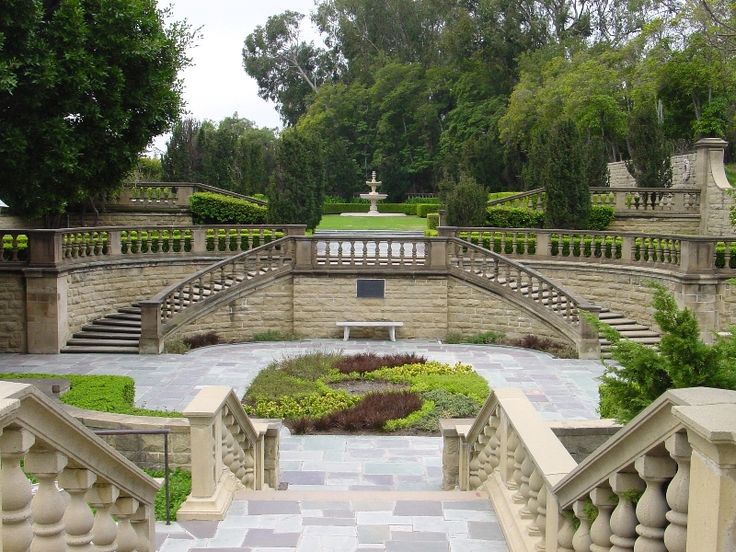
Renaissance garden accents are heavily influenced by classical Roman and Greek styles. Symmetry is one of the defining characteristics. Pathways, hedges, and decorative elements are arranged in balanced layouts that create visual order. Geometric patterns, arched entryways, and sculptural focal points are often central to the design.
Materials also play an important role. Stone, marble, cast concrete, and wrought iron are common choices. These materials not only reflect historical authenticity but also offer durability against outdoor conditions. A stone fountain placed at the center of a courtyard, for example, instantly transforms a simple yard into an elegant retreat.
Another hallmark of Renaissance garden accents is the use of statues inspired by classical mythology and historical figures. Sculptures depicting angels, cherubs, or Greco-Roman deities can serve as striking focal points that capture attention and spark conversation.
Popular Types of Renaissance Garden Accents
Ornamental Fountains
Fountains are among the most iconic Renaissance garden accents. Multi-tiered designs, carved basins, and flowing water features create both visual and auditory appeal. The gentle sound of water enhances relaxation while adding a sense of luxury.
Classical Statues
Statues bring personality and artistic value to a garden. Placing a statue at the end of a pathway or within a flower bed adds depth and character. Many homeowners choose figures that reflect classical themes to maintain authenticity.
Decorative Urns and Planters
Large urns with carved details are perfect for framing entrances or lining pathways. These planters combine practicality with visual elegance, allowing colorful flowers or greenery to complement the stonework.
Garden Benches and Columns
Stone benches and decorative columns provide structure and functionality. A well-placed bench encourages relaxation while blending seamlessly into the garden’s architectural theme.
Blending Renaissance Accents with Modern Landscaping
While Renaissance garden accents are rooted in history, they can be successfully incorporated into contemporary outdoor designs. The key lies in balance. Rather than overwhelming the space, a few carefully chosen pieces can create a refined atmosphere.
For example, pairing a classic stone fountain with minimalist landscaping creates an appealing contrast between old-world artistry and modern simplicity. Similarly, symmetrical hedges combined with sleek lighting fixtures can enhance both tradition and innovation.
Homeowners across the United States increasingly seek timeless designs that elevate curb appeal. Renaissance accents provide a way to achieve that goal without relying on temporary trends.
Benefits of Choosing Renaissance Garden Accents
One major advantage of Renaissance-inspired décor is its lasting appeal. Unlike seasonal decorations, these pieces maintain relevance year after year. Their neutral tones and classical shapes complement various architectural styles, from Mediterranean villas to traditional homes.
Durability is another benefit. Stone and concrete accents are built to withstand changing weather conditions, making them practical long-term investments. Additionally, these elements can increase property value by enhancing visual appeal and creating a distinctive outdoor setting.
Beyond aesthetics, Renaissance garden accents contribute to a tranquil atmosphere. The symmetry, flowing water features, and artistic sculptures foster a peaceful environment that encourages relaxation and reflection.
Creating Your Own Renaissance Garden Retreat
Designing a Renaissance-inspired garden begins with thoughtful planning. Start by identifying a central focal point, such as a fountain or statue. Arrange pathways and plantings symmetrically around this feature to achieve balance. Incorporate structured greenery like trimmed hedges or topiaries to enhance the classical look.
Lighting also plays a vital role. Soft, warm lights placed near statues or fountains highlight intricate details during evening hours. The result is an enchanting outdoor space reminiscent of historic European courtyards.
In conclusion, Renaissance Garden Accents offer a timeless way to transform ordinary outdoor areas into elegant sanctuaries. By blending classical artistry with modern landscaping techniques, homeowners can create gardens that reflect sophistication, harmony, and enduring beauty.